Seed Oil Controversies: Are They as Harmful?
Mar 16, 2025
Understanding the Seed Oil Debate
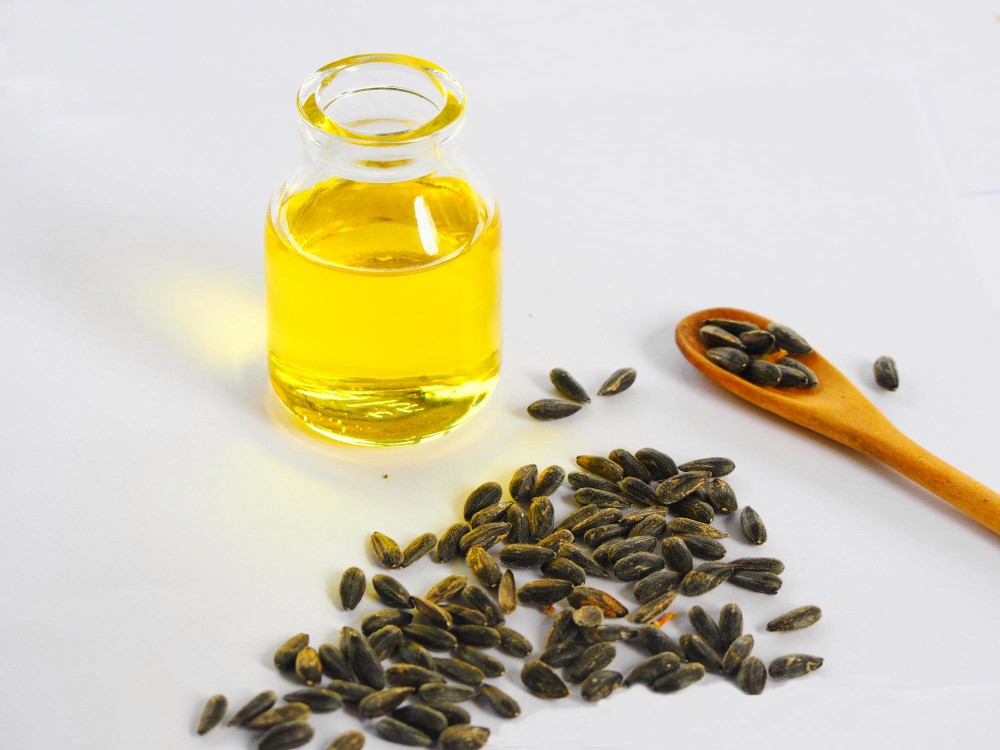
Seed oils like soybean, sunflower, corn, and canola oil have become a staple in many kitchens and packaged foods. While marketed as “heart-healthy” or “neutral” oils, they’ve sparked controversy in recent years. Some nutrition enthusiasts claim seed oils contribute to inflammation, oxidative stress, and chronic disease, while others argue that these oils are safe when consumed in moderation. In this guide, we explore the scientific evidence, potential risks, and how tools like purecheck can help you make informed choices.
What Are Seed Oils and Why Are They Controversial?
Seed oils are extracted from the seeds of plants.
Common examples include:
Soybean oil
Sunflower oil
Corn oil
Canola oil
Grapeseed oil
These oils are rich in omega-6 fatty acids, particularly linoleic acid. Omega-6 is essential for the body, but modern diets often provide far more omega-6 than omega-3, which some studies suggest may contribute to inflammation if not balanced. Additionally, the extraction and refining processes can involve heat and chemical solvents, potentially forming oxidation products and trans fats in small amounts.
Critics argue that these factors, combined with high consumption in processed foods, may increase oxidative stress and inflammatory markers, though research is ongoing and sometimes contradictory. It’s important to look at both marketing claims and scientific data before making judgments.
Evaluating the Evidence
Several studies provide context for the debate:
Inflammation and Oxidative Stress
Some research indicates that excessive omega-6 intake relative to omega-3 may promote inflammation, a factor linked to chronic conditions such as heart disease.
However, other studies find no direct link between moderate consumption of seed oils and systemic inflammation in healthy individuals.
Refined vs Cold-Pressed Oils
Cold-pressed oils retain more antioxidants and fewer oxidation products, while highly refined oils may have fewer nutrients and a slightly higher risk of oxidation when heated.
Cooking Practices Matter
High-heat cooking of polyunsaturated oils can produce lipid oxidation products. Using oils appropriately for medium or low heat, or incorporating them into dressings, reduces potential risks.
Omega-6 in Context
Modern diets are skewed toward omega-6, but simply eliminating all seed oils is not universally necessary. Emphasizing a balance with omega-3-rich foods like fatty fish, flax, and chia seeds is more important.
Practical Tips for Healthier Seed Oil Use
Rotate your oils: Mix seed oils with olive oil or avocado oil for better balance.
Use cold-pressed oils where possible to minimize oxidation.
Avoid overheating polyunsaturated oils in frying or high-heat cooking.
Incorporate omega-3-rich foods to balance your fatty acid intake.
Read ingredient labels carefully — seed oils are often hidden in packaged foods.
Here’s where tools like purecheck can help. The app lets you scan barcodes or search manually to see which products contain seed oils. It also provides ingredient breakdowns, additive warnings, and safety scores, helping you make choices aligned with your dietary goals without the guesswork.
How PureCheck Helps You Make Informed Choices
While it’s important not to overreact to marketing hype, having accurate information can help. PureCheck offers:
Barcode scanning
Quickly identify seed oils and other ingredients in packaged foods.
Ingredient analysis:
Understand the type of oil, additives, or processing methods used.
Allergen and additive alerts:
Stay informed about ingredients you may want to limit.
By combining awareness with a reliable tool, you can navigate the seed oil controversy with clarity and confidence.
Balancing Science and Common Sense
Seed oils are not inherently “evil,” but like many foods, they are best consumed mindfully. Scientific nuance is essential: while some research highlights potential risks, other studies support moderate use as part of a balanced diet. The takeaway is not to demonize seed oils entirely but to be informed and intentional. Pairing them with other oils, monitoring omega-6 intake, and using resources like PureCheck for ingredient transparency makes it easier to create a health-conscious eating plan.
FAQs
Are all seed oils inflammatory?-
No, inflammation depends on overall diet, omega-6/omega-3 balance, and cooking methods. Moderate use is generally safe for most healthy adults.
Is olive oil better than seed oils?
Olive oil has more monounsaturated fats and antioxidants, making it more stable for cooking and generally beneficial for heart health, but seed oils can still be part of a balanced diet.
Can high-heat cooking with seed oils be harmful?
Overheating polyunsaturated oils can produce oxidation products. Using them for medium-heat cooking or in dressings is safer.
Does PureCheck provide all details about seed oils in packaged foods
PureCheck gives ingredient breakdowns, safety scores, and additive information, but it’s always best to read labels carefully and combine with general nutrition knowledge.
Should I avoid seed oils completely?
Avoiding seed oils entirely isn’t necessary for most people. Focus on variety, balance with omega-3 sources, and be mindful of processed food consumption.