Strategy
Microbiome-Boosting Skincare for Acne-Prone Skin
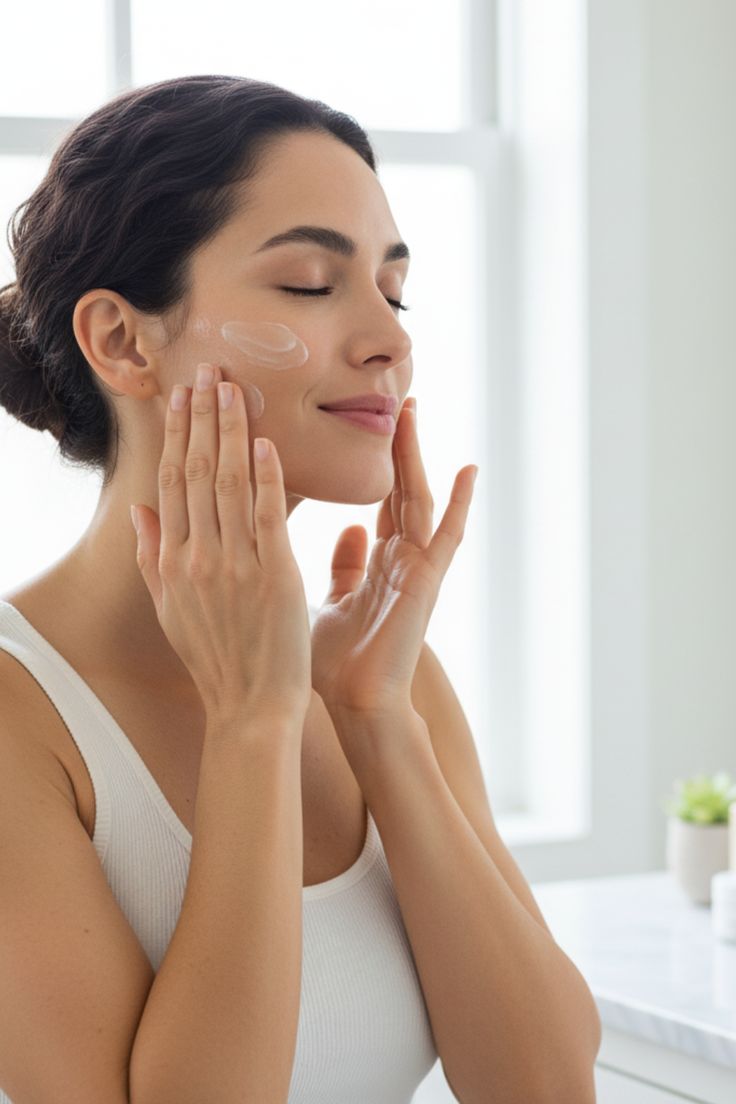
The Rise of Microbiome Focused Skincare
If you have acne-prone skin, you’ve probably tried everything — spot treatments, harsh cleansers, exfoliating acids, maybe even skipping moisturiser because you’re afraid it’ll make things worse.
If this sounds familiar, you’re not doing anything “wrong.” What many people don’t realise is that acne isn’t just about oil or clogged pores. It’s often about something deeper — your skin microbiome.
In recent years, top dermatology resources and skincare publications have highlighted the importance of microbiome skincare for acne-prone skin. Instead of stripping your skin, the focus has shifted toward supporting the skin barrier and balancing good bacteria.
Let’s break this down in a simple, practical way — and help you understand how microbiome-boosting skincare can actually calm acne instead of triggering it.
What Is the Skin Microbiome?
Your skin isn’t just skin. It’s home to trillions of tiny microorganisms — including bacteria, fungi, and other microbes. Together, they form what’s called your skin microbiome.
Now before that sounds alarming — this is a good thing.
A healthy microbiome:
Supports your skin barrier
Protects your natural skin flora
Maintains balanced oil production
Helps regulate inflammation
Think of it like a protective ecosystem. When it’s balanced, your skin feels calm and resilient. When it’s disrupted, that’s when problems like acne, irritation, and redness can show up.
How an Unbalanced Microbiome Can Trigger Acne
Acne isn’t caused by bacteria alone — but imbalance plays a role.
There’s one bacteria called Cutibacterium acnes (formerly known as Propionibacterium acnes) that naturally lives on everyone’s skin. It only becomes problematic when:
The microbiome balance is disrupted
Oil production increases excessively
Pores become clogged
Inflammation rises
Harsh skincare products, over-exfoliating, and strong alcohol-based toners can damage your skin barrier. When that barrier weakens, the “good” bacteria decrease, and the skin becomes more reactive.
This can lead to:
More frequent breakouts
Redness and irritation
Slow healing acne marks
Increased sensitivity
So instead of constantly attacking acne, sometimes the better approach is to restore balance.
Signs Your Skin Microbiome Might Be Disrupted
Not sure if your microbiome needs support? Here are common signs:
Breakouts that don’t improve despite treatment
Skin that feels tight after cleansing
Increased redness or stinging
Flaky yet oily skin at the same time
Acne worsening after trying new products
If you relate to this, your skin may be asking for repair — not more aggressive treatment.
What Is Microbiome-Boosting Skincare?
Microbiome skincare focuses on supporting and strengthening your skin barrier, while encouraging beneficial bacteria to thrive.
Instead of stripping oil or aggressively drying out pimples, this approach:
Protects your natural skin flora
Reduces inflammation
Improves long-term skin resilience
Supports healthy healing
This is especially helpful for acne-prone skin because inflammation plays a major role in breakouts.
Key Ingredients That Support Acne-Prone Skin Microbiome
Here are some microbiome-friendly ingredients commonly recommended in high-ranking dermatology resources:
Prebiotics
Prebiotics act as “food” for beneficial bacteria. They help good microbes grow and maintain balance. Look for ingredients like:
Inulin
Alpha-glucan oligosaccharide
These help maintain microbial diversity, which keeps harmful bacteria in check.
Probiotics
Probiotics are live beneficial bacteria (or fermented extracts) that support skin balance. In skincare, they are often included as:
Lactobacillus ferment
Bifida ferment lysate
They can help reduce inflammation and strengthen the skin barrier.
Postbiotics
Postbiotics are by-products created by beneficial bacteria. They help calm and repair skin. Common examples:
Fermented extracts
Lysates
These can improve redness and support recovery after breakouts.
Barrier-Strengthening Ingredients
Supporting your microbiome also means repairing your barrier. Look for:
Ceramides
Niacinamide
Panthenol
Hyaluronic acid
These help reduce moisture loss and make skin less reactive.
How to Build a Microbiome-Friendly Routine for Acne
Here’s how you can adjust your routine in a realistic way:
1. Use a Gentle Cleanser
Avoid harsh foaming cleansers with strong sulfates. Choose mild, pH-balanced cleansers that clean without stripping.
Your skin should feel clean — not tight.
2. Avoid Over-Exfoliating
Using acids every day can damage your barrier. If you’re acne-prone:
Limit chemical exfoliation to 1–3 times weekly
Avoid combining multiple strong actives at once
Over-treating often leads to more inflammation.
3. Add Microbiome-Supporting Serums
Look for products containing prebiotics, probiotics, or ferments. These can help restore balance gradually.
4. Moisturise — Even If You’re Oily
Skipping moisturiser can signal your skin to produce more oil. Use lightweight, non-comedogenic moisturisers with barrier-repair ingredients.
5. Don’t Skip Sunscreen
Inflammation from UV exposure can worsen acne and post-acne marks. Choose a broad-spectrum SPF that doesn’t clog pores.
What Results Can You Expect?
Microbiome repair isn’t an overnight fix. But over time, you may notice:
Fewer inflamed breakouts
Faster healing of pimples
Reduced redness
Stronger, less reactive skin
More balanced oil production
Consistency is key. Supporting your microbiome is about long-term skin health — not quick, aggressive results.
Lifestyle Habits That Support Skin Balance
Your microbiome isn’t only affected by products. Daily habits matter too:
Avoid constantly touching your face
Change pillowcases regularly
Eat a balanced diet rich in fibre
Manage stress levels
Get adequate sleep
Stress and poor sleep can increase inflammation, which may worsen acne.
Why Ingredient Awareness Matters for Acne-Prone Skin
Not all “acne products” are microbiome-friendly. Some contain alcohol, strong fragrances, or harsh preservatives that can disrupt your skin balance.
Reading ingredient lists can feel overwhelming — especially when labels use complex names.
That’s where PureCheck helps you to quickly scan and decode the ingredient lists for your skincare products so you can you make smarter choices for acne-prone skin!
Heal, Don’t Just Treat
If you’ve been stuck in the cycle of drying, scrubbing, and over-treating your acne, it may be time to shift your approach.
Instead of fighting your skin, try supporting it.
Microbiome-boosting skincare focuses on balance, barrier repair, and long-term resilience. When your skin ecosystem is healthy, it’s better equipped to manage breakouts naturally.
Read More