Strategy
The Importance of Fibre
Feeling Bloated or Tired? Fibre Might Be the Missing Piece
Ever finish a meal and feel like your stomach is still working overtime? Or hit mid-afternoon with sudden energy slumps and cravings?
Many of us focus on cutting calories or choosing “healthy” foods — but forget about one simple nutrient that quietly keeps the whole system running smoothly: fibre.
Small changes in fibre intake can make a noticeable difference in how you feel day-to-day. From gentler digestion to steady energy levels, fibre plays a central role in your overall wellbeing — without the need for complicated diets or supplements.
Let’s walk through why it matters, how it works, and easy ways to add more into your everyday meals.
What Is Fibre and Why Your Body Loves It
Fibre is a type of plant-based carbohydrate found in foods like fruits, vegetables, whole grains, beans, nuts, and seeds. Unlike other carbs that your body breaks down for quick energy, fibre mostly passes through your digestive system intact.
That may sound odd — but it’s exactly why fibre is so helpful.
There are two main types:
Soluble fibre – forms a gel-like substance in the gut; helps manage blood sugar and keep you full.
Insoluble fibre – adds bulk to stool and keeps food moving smoothly through digestion.
Both types help in different ways — and most high-fibre foods contain a mix of both.
Understanding fibre helps you appreciate just how central it is to daily comfort and long-term health.
How Fibre Keeps Digestion Running Smoothly
Digestive discomfort — like bloating, gas, or irregular bowel movements — can make anyone feel off.
Fibre helps by:
Softening stool and making it easier to pass
Feeding the “good bacteria” in your gut
Helping food move steadily through the digestive tract
In simple terms: fibre helps your digestion feel regular, comfortable, and less sluggish.
So when people talk about “gut health,” they are really talking about a system that runs smoothly — and fibre is one of its key supporters.
Why Fibre Helps You Feel Full and Satisfied
Ever eaten a low-fibre meal and felt hungry an hour later? That’s because fibre slows down how quickly food leaves your stomach. It creates a sense of fullness without adding extra calories.
This can help:
Reduce constant snacking
Manage portion sizes naturally
Support balanced eating habits
Unlike sugary snacks that spike blood sugar then crash, high-fibre foods help keep you feeling satisfied for longer without feeling heavy.
Fibre for Steady Energy Levels
That 3 PM slump isn’t always about lack of sleep — sometimes it’s about what you ate earlier.
Fibre slows the digestion and absorption of carbohydrates, which helps:
Prevent sudden blood sugar spikes
Avoid energy crashes
Promote gradual, stable energy throughout the day
This makes high-fibre meals great for breakfasts, lunches, or snacks that need to sustain you between meals.
Heart and Gut Health — The Quiet Benefits of Fibre
You don’t have to be obsessed with long lists of nutrients to appreciate fibre — its benefits show up in ways you feel every day:
Soluble fibre can help reduce levels of LDL (“bad”) cholesterol by binding to cholesterol in the gut and helping remove it from the body. Lower LDL levels are associated with lower risk of heart disease.
Fibre Supports a Balanced Gut
Fibre feeds the good bacteria in your digestive tract. A happy microbiome contributes to better digestion, a stronger immune system, and even improved mood.
These benefits aren’t dramatic or flashy — but they’re the kinds of changes you’ll feel in everyday comfort.
High-Fibre Foods You Can Enjoy Every Day
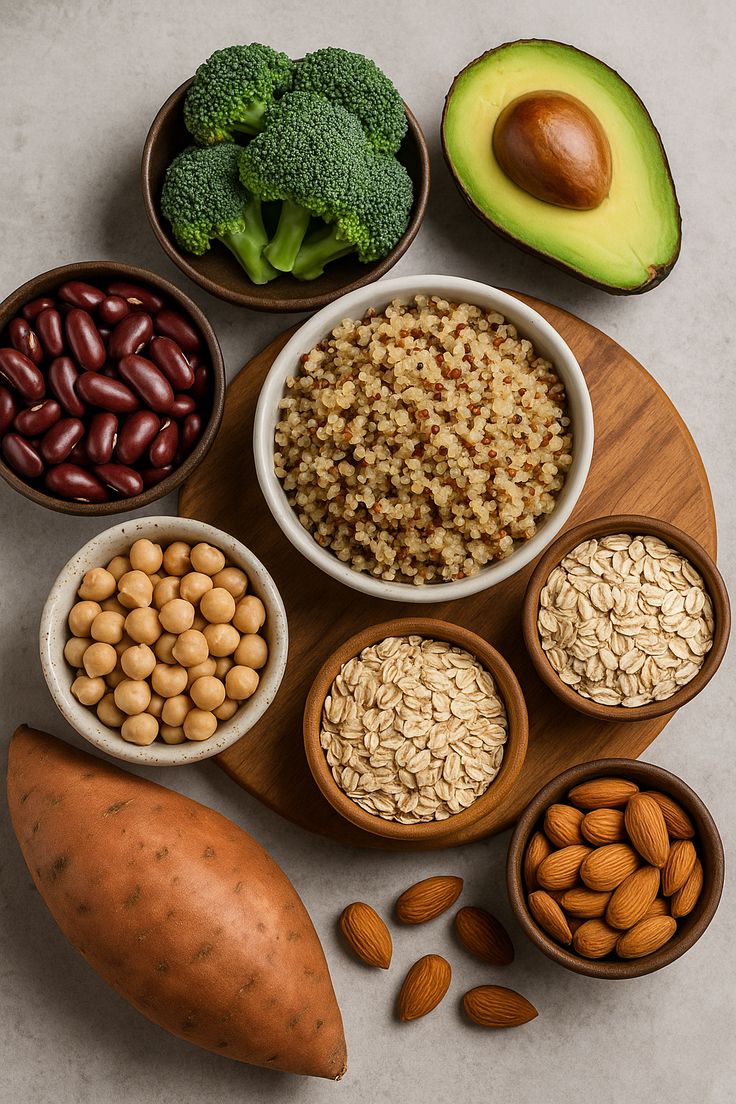
Fibre doesn’t have to be hard or boring. Many everyday foods are rich sources:
Whole Grains
Oats
Brown rice
Whole-wheat bread or pasta
Barley
Beans & Legumes
Lentils
Chickpeas
Black beans
Kidney beans
Fruits
Apples (with skin)
Berries
Pears
Oranges
Vegetables
Broccoli
Carrots
Spinach
Sweet potato (with skin)
Nuts & Seeds
Chia seeds
Flax seeds
Almonds
Walnuts
Mix and match these into meals — breakfasts, lunches, snacks, even desserts — and you’ll rack up fibre without a fuss.
Simple Ways to Increase Your Daily Fibre Intake
Adding more fibre doesn’t require a diet overhaul. Try these small, doable tweaks:
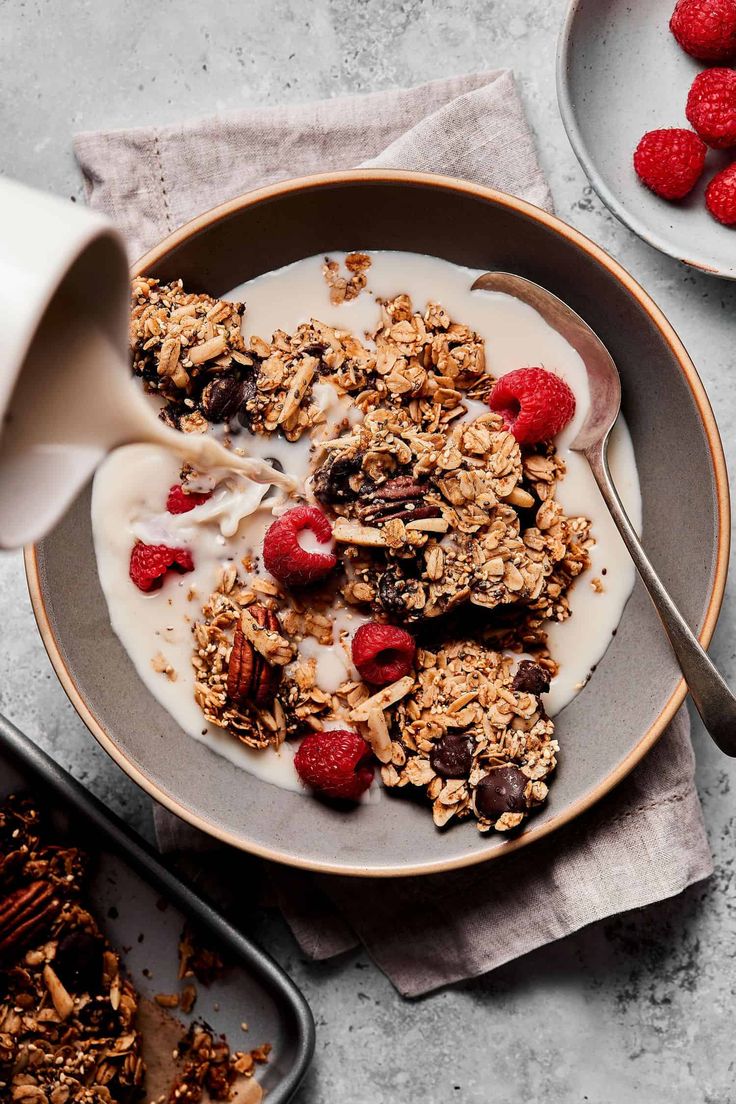
Start your day with oats or whole-grain toast
Add beans or lentils to salads, soups, and stews
Snack on fruit with the skin on
Swap white rice for brown rice or quinoa
Sprinkle chia or flax seeds onto yoghurt or smoothies
Little changes like these can add up quickly — and you’ll notice how differently your body feels.
Signs You Might Need More Fibre
You don’t always need a test to know you could benefit from more fibre. Common clues include:
Irregular bowel movements
Feeling bloated after meals
Frequent cravings or energy dips
Feeling heavier or sluggish midday
These don’t always mean “serious health issues” — but they can signal that your digestive system could use more consistent support.
The Ideal Way to Consuming More Fibre
If you’re new to increasing fibre, start slowly and stay hydrated. Fibre works best when combined with plenty of water — which helps it move smoothly through your system.
Start with small additions and notice how your body responds. That’s part of building sustainable, comfortable habits.
Small Changes, Big Daily Comfort
Your Fibre intake wont give you results overnight. But day by day, it helps your digestion feel lighter, your energy feel steadier, and your overall comfort stay balanced.
Small tweaks — like swapping in whole grains, adding lentils, or swapping chips for sweet potato — can make a noticeable difference in how you feel.
Read More